SBA Loan Financing Tips: Maximize Your Business Cash Flow
Published

Understanding SBA Loan Financing Requirements for Business Acquisition
SBA lenders, when asked for business acquisition SBA loans financing, are particularly interested in the adjusted net earnings or annual cash flow produced by the small business to be purchased. The lending officer wants to make sure there will be enough income for the new owner to make those loan payments for debt service.To secure approval for an SBA business acquisition loan, you must clearly demonstrate the business’s adjusted net earnings or annual cash flow. This includes identifying add-backs, removing non-recurring expenses, and presenting accurate financials that prove repayment ability.
But the ability of a business to generate sufficient funds to support the debt may not be obvious. The financial reports are likely to reflect the seller's interest in lowering taxable income rather than show all the money actually received by the seller.
To get an SBA loan for the acquisition of a business, the borrower needs to know how to interpret the financials, so a loan officer can understand the actual cash figure that will be available for debt service. And that means knowing where to find all the company's earnings in its operating figures. Some of the clues include
Treatment of Discretionary Expenses
Interpreting a profit and loss statement or company tax return to show all of the cash that can be available to a new owner requires understanding how discretionary funds, those listed on the seller's statements, might be allocated.The discretionary category includes money set aside for replacement of hard assets (depreciation) and for "writing off" the cost of intangible assets (amortization). Payments for interest and taxes also belong in this category. These expenses are discretionary because the choice of how to allocate them is specific to the needs of the individual owner.
For example, the seller might deduct sums from earnings to allow for depreciation and amortization, but the buyer may want to use that money for payment of principal and interest on obligations incurred to purchase the business. This is one of the critical business finance tips when applying for SBA loan financing.
Add Back Personal Expenses
Some expenses shown on a business profit and loss statement and tax returns might more accurately be described as personal expenses. The company paying the seller's life and health insurance premiums could, instead, help retire and purchase the debt owed by the buyer rather than covering her insurance needs.Other dollar costs paid by the business, providing benefit to the owner and not necessary to the operation of the business, can include magazine subscriptions, membership fees for social organizations, and automobile expenses.
While it should seem obvious to most people that spending on personal items doesn't really add to the costs of doing business, this fact may be overlooked by a loan officer who is inexperienced or in a hurry. That's why the buyer, or a knowledgeable loan specialist representing the buyer, needs to make sure to explain every relevant entry in the business books when they are being scanned as part of the loan application review.
One-Time Costs as Add-Backs
There are business expenses incurred by the seller that reduce the stated income but won't have to be paid by the new owner. Examples include:- Purchasing new equipment not on the depreciation schedule
- Leasehold improvements
- Settling a lawsuit with a cash payment
- Expanding into a new space
The Risk of Misrepresenting Add-Backs
If the borrower is not knowledgeable about how to restate annual cash flow earnings, it's best to engage the services of an experienced SBA business acquisition loan expert. Incorrectly classifying expenses can harm the application.For example:
- Auto expenses can be added back only if the vehicle is not used in the business.
- Accountant or bookkeeper expenses are legitimate if the service will still be required under new ownership.
Why Accurate Cash Flow Proof Matters?
SBA-backed lenders want provable annual cash flow to ensure repayment. Every actual cash source for the owner must be clearly identified and justified during the underwriting process.FAQs
- What is the most important factor for SBA loan approval in business acquisition?
- Can personal expenses be added back to cash flow for SBA loans?
- Are one-time costs considered in SBA loan underwriting?
- Should I hire an SBA loan financing expert?
- How do SBA lenders view depreciation and amortization?
About the Author

Related Posts

sba-loan
SBA Loans For Business Purchase Financing - 11 Key Factors

how-to-buy-a-business
Seller Financing: Terms To Negotiate If You Buy A Business

sba-loan
SBA Loans For Business Purchases Increase - Getting Pre-Qualified Is Key
financing
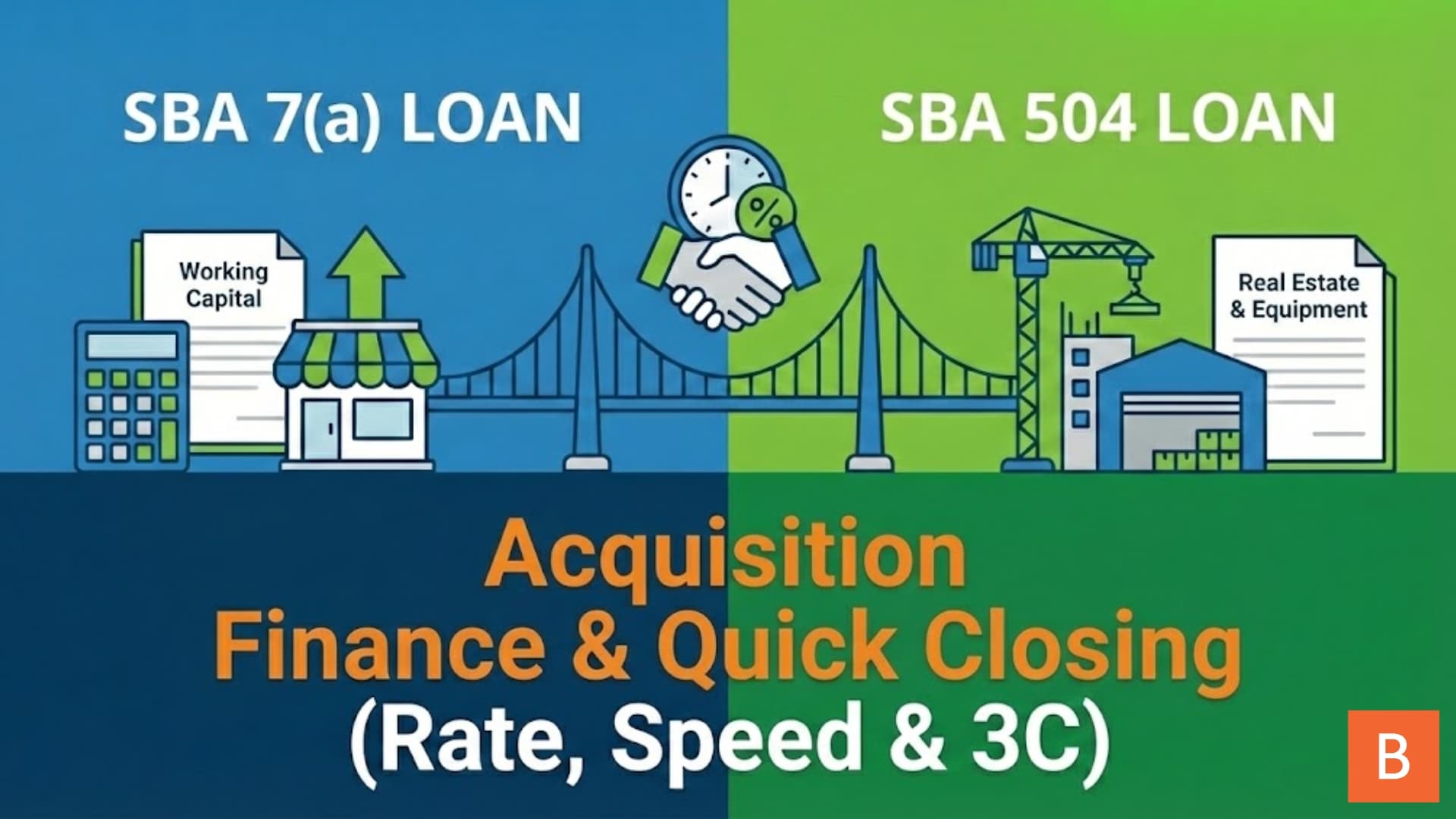
Mastering Acquisition Finance: The BizBen Guide to SBA 7(a) & 504 Loans (Rates, Speed & Success)
