7 Steps To Buying A Liquor Store
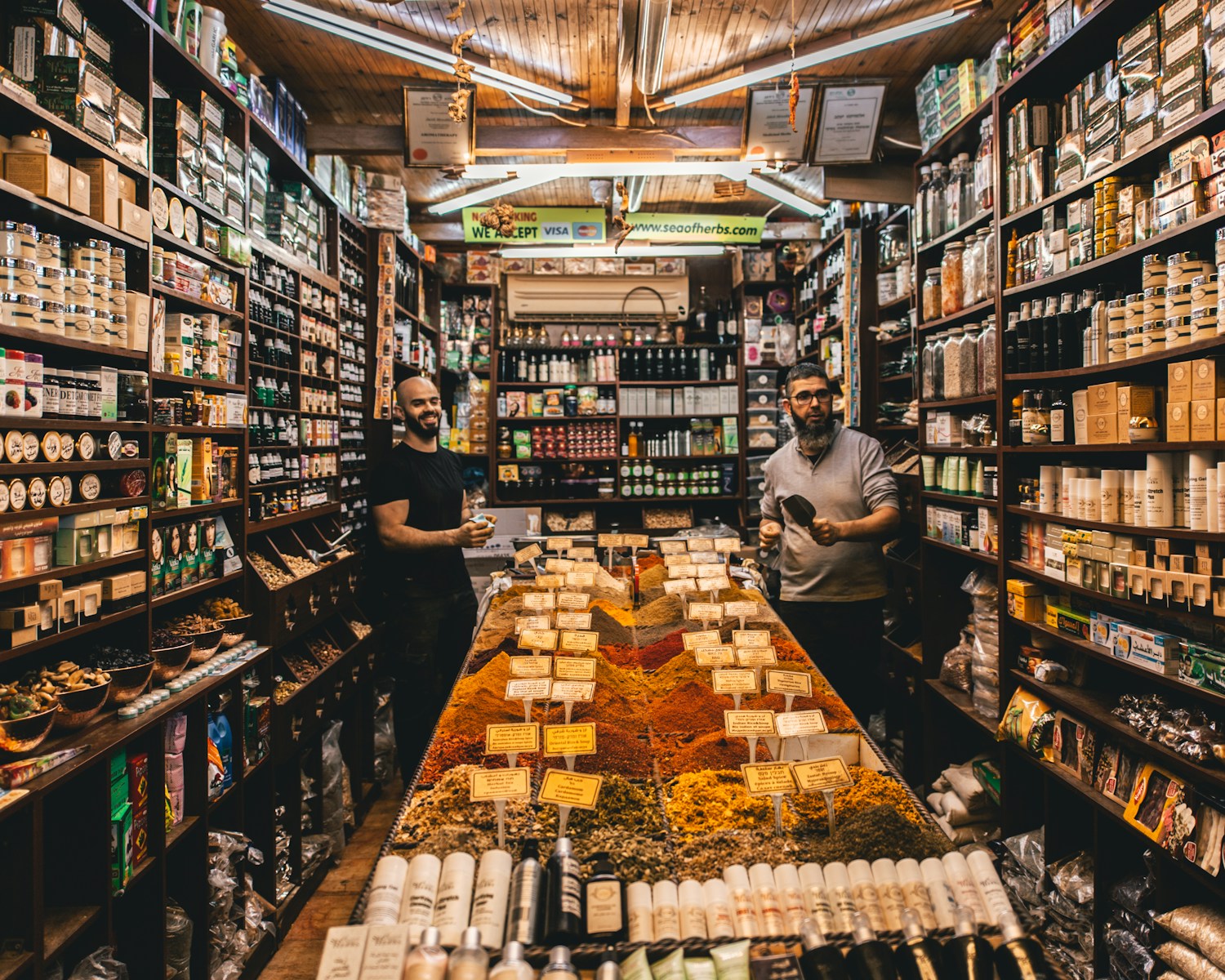
Unlike many small businesses, due to strict regulations there are many steps that you must take before you can consider buying a liquor store for sale. These seven steps will put you on the right track to buy a liquor store legally.
Determine Your Eligibility
The U.S. Department of Treasury’s Alcohol and Tobacco Trade Bureau requires every seller and wholesaler of wine and spirits to register, pay special taxes and keep very detailed records of inventory and sales. Before making the decision to buy a liquor store business, it is important to consider the increased taxes associated with its operation. You will also have to check your personal eligibility for ownership.
Research State Laws and Regulations
Arguably the most important step in buying a liquor store is checking out your state’s regulations. A good place to start is the Alcohol and Tobacco Trade Bureau Liquor. Control laws and regulations vary from state to state, and the bureau website (see above) features a comprehensive state directory featuring contact information and links to each state’s specific website. State regulations must be followed in addition to federal regulations, and can be even stricter.
Utah, for example, only allows for the legal sale of packaged alcoholic beverages at state-owned stores. Other states, such as Pennsylvania, actually control liquor and beer prices. It is also important to keep in mind that if you have been registered and approved on the federal level, that does not automatically qualify you for a state license.
Apply for the appropriate licenses and permits
Once you’ve considered the laws for your state, you can begin the process of license application. Copies of the liquor sale applications are available for download from each state website. The controlling agency of each state is slightly different, but is generally referred to as “Department of Alcohol Beverage Control” or “Liquor Control Board”. Alaska and South Carolina issue permits through their respective taxation and revenue departments.
Get a lawyer
Once you have determined that you will be able to comply with the federal and state regulations to own and operate a liquor store, your next call should be to a lawyer or other professional who can assist you with the navigation of the various issues you will come across. He or she can help you determine what kind of business entity to use and assist you in protection against liability issues and the purchase of liability insurance. Because liquor stores are a high-risk endeavor, insurance can be expensive, particularly in large cities.
Research location and competition
When scouting a location for your store, you must consider not only the competition (how many similar stores exist in a certain area vs. how densely populated the area is) but you must also consult the local government to determine if a site is eligible. Local zoning laws and ordinances limit the number and location of liquor stores in most areas. A visit to your city or town’s official website will provide contact information for the person responsible for determining the eligibility of your location.
Find financing
Most people looking to open a small business will need to visit the bank and apply for a small business loan. Once you have determined that you qualify to own a liquor store, writing a simple business plan is essential to present to potential investors. An Internet search will provide a number of samples that you can use to craft your business plan. It is extremely important to include information about steps you are taking to obtain your licenses and permits, because investors will be interested in the legal issues associated with selling alcoholic beverages.
Choose the right inventory and suppliers…and employees
Once you have discovered the perfect location for your store, you will have to stock it full of items that are sure to sell. As you go through the process of buying a store, you should also be contacting potential wholesale suppliers in the area. A simple Internet search should provide you with a list of contacts to start this process.
Market and demographic research can not only determine whether your business will be popular, but will also aid you in determining which products will be your top sellers. Areas with a large university population, for example, will see a higher sale of beer kegs. But this also presents the issue of underage drinking and how to avoid selling alcohol to minors. This can be one of the most dangerous issues for a liquor storeowner, and you should consult with your lawyer about the best ways to avoid any problems.
Determine Your Eligibility
The U.S. Department of Treasury’s Alcohol and Tobacco Trade Bureau requires every seller and wholesaler of wine and spirits to register, pay special taxes and keep very detailed records of inventory and sales. Before making the decision to buy a liquor store business, it is important to consider the increased taxes associated with its operation. You will also have to check your personal eligibility for ownership.
Research State Laws and Regulations
Arguably the most important step in buying a liquor store is checking out your state’s regulations. A good place to start is the Alcohol and Tobacco Trade Bureau Liquor. Control laws and regulations vary from state to state, and the bureau website (see above) features a comprehensive state directory featuring contact information and links to each state’s specific website. State regulations must be followed in addition to federal regulations, and can be even stricter.
Utah, for example, only allows for the legal sale of packaged alcoholic beverages at state-owned stores. Other states, such as Pennsylvania, actually control liquor and beer prices. It is also important to keep in mind that if you have been registered and approved on the federal level, that does not automatically qualify you for a state license.
Apply for the appropriate licenses and permits
Once you’ve considered the laws for your state, you can begin the process of license application. Copies of the liquor sale applications are available for download from each state website. The controlling agency of each state is slightly different, but is generally referred to as “Department of Alcohol Beverage Control” or “Liquor Control Board”. Alaska and South Carolina issue permits through their respective taxation and revenue departments.
Get a lawyer
Once you have determined that you will be able to comply with the federal and state regulations to own and operate a liquor store, your next call should be to a lawyer or other professional who can assist you with the navigation of the various issues you will come across. He or she can help you determine what kind of business entity to use and assist you in protection against liability issues and the purchase of liability insurance. Because liquor stores are a high-risk endeavor, insurance can be expensive, particularly in large cities.
Research location and competition
When scouting a location for your store, you must consider not only the competition (how many similar stores exist in a certain area vs. how densely populated the area is) but you must also consult the local government to determine if a site is eligible. Local zoning laws and ordinances limit the number and location of liquor stores in most areas. A visit to your city or town’s official website will provide contact information for the person responsible for determining the eligibility of your location.
Find financing
Most people looking to open a small business will need to visit the bank and apply for a small business loan. Once you have determined that you qualify to own a liquor store, writing a simple business plan is essential to present to potential investors. An Internet search will provide a number of samples that you can use to craft your business plan. It is extremely important to include information about steps you are taking to obtain your licenses and permits, because investors will be interested in the legal issues associated with selling alcoholic beverages.
Choose the right inventory and suppliers…and employees
Once you have discovered the perfect location for your store, you will have to stock it full of items that are sure to sell. As you go through the process of buying a store, you should also be contacting potential wholesale suppliers in the area. A simple Internet search should provide you with a list of contacts to start this process.
Market and demographic research can not only determine whether your business will be popular, but will also aid you in determining which products will be your top sellers. Areas with a large university population, for example, will see a higher sale of beer kegs. But this also presents the issue of underage drinking and how to avoid selling alcohol to minors. This can be one of the most dangerous issues for a liquor storeowner, and you should consult with your lawyer about the best ways to avoid any problems.
About the Author

Related Posts
how-to-buy-a-business
Tips On Selling A Restaurant: Appealing To Restaurant Buyers During COVID
how-to-buy-a-business
Purchase A Business Considerations - Will Your Business Purchase Pay Off?
how-to-buy-a-business
Spin Cycle Secrets: A Comprehensive Guide to Laundromat Business
how-to-buy-a-business
Janitorial Cleaning Services: 6 Considerations When Buying Janitorial Businesses