What to Look for When Buying a Residential Care Facility: The No-Nonsense Investor’s Guide

If you're thinking about buying a residential care facility, you're not just buying a business—you’re buying a responsibility, a reputation, and a long-term income stream. This is not a hobby. This is not a side hustle. This is a serious investment in a high-demand, recession- resistant industry. And if you do it right, it can be one of the most rewarding and profitable
ventures you'll ever undertake.
But if you do it wrong? You’ll bleed cash, burn out, and regret every minute of it.
Let’s break down exactly what you need to know—no fluff, no filler, just the facts that matter.
What Is a Residential Care Facility?
A residential care facility for the elderly (RCFE), or adult residential facility (ARF) also known as care homes, or RCFs in many states, , is a small, home-like setting designed for seniors or adults with developmental or mental disabilities who need assistance with daily living. These facilities typically house 6–10 residents and offer support with:
- Activities of Daily Living (ADLs): bathing, dressing, grooming, toileting
- Medication management
- Limited medical oversight (depending on licensing and staffing)
Unlike large institutional facilities, RCFs are intimate, personalized, and focused on creating a “home-away-from-home” experience. Think of it as assisted living with a personal touch.
Buy vs. Lease: Strategic Real Estate Decisions
Before you even look at a facility, decide: are you buying the real estate or leasing it?
Buying the Property
- Pros
- Equity buildup
- Depreciation benefits
- Long-term appreciation
- Full control over renovations, branding, and operations
- Cons
- Higher upfront capital
- Real estate risk if the business fails
Leasing the Property
- Pros
- Lower initial investment
- Flexibility to relocate or expand
- Cons
- Commercial leases often push maintenance costs onto the tenant
- Limited control over property improvements
- Lease terms (usually 5+ years) can lock you in
In high-growth markets like California, owning the real estate can be a strategic wealth-building move. But only if the business itself is solid.
The Four Pillars of Due Diligence
When evaluating a residential care facility, you must assess four critical areas:
- Physical Condition of the Property
- Financial Strength of the Business
- Quality of Care
- Integrity of Financial Documentation
Let's go deeper into each.
1. Physical Consition of the Property
Whether you buy or lease, the property must be clean, safe, and welcoming. Families choose care homes based on emotional comfort. If the home feels neglected, they’ll walk away—and so should you.
Inspection Checklist:
- Does the home smell clean? No urine, feces, body odor, or stale cooking smells.
- Are the walls, ceilings, and floors free of cracks and water stains?
- Is the roof in good condition?
- Are the beds made, rooms tidy, and common areas inviting?
- Is the ambiance warm, cheerful, and dignified?
- Would YOU live there? Would you place your own parent there?
Pro Tip: Always get a general home inspection and termite inspection—even if you’re leasing. Commercial leases often make the tenant responsible for maintenance. Know what you’re signing up for.
2. Financial Strength of the Business
This is where most buyers get burned. Don’t rely on surface-level numbers. Dig deep. Use an experienced agent, a business broker, familiar with the intricacies of residential care home transactions. They should understand the real estate AND the business parts of the transaction and the unique areas to be addressed during due diligence.
Key Questions:
- Are the Profit & Loss statements accurate and up-to-date?
- Is the business profitable after adjusting for owner’s discretionary expenses (salary, insurance, depreciation, etc.)?
- Can you verify income through resident agreements, bank statements, Medi-Cal summaries, or Regional Center records?
- Are payroll records clean and traceable to W-2 documentation?
- Are caregivers paid legally, or are there under-the-table arrangements that will become your liability?
- Do expenses (especially food, utilities, and supplies) make sense? If food costs are suspiciously low, residents might be eating garbage.
Red Flag: If the seller can’t produce clean financials, walk away—or prepare to renegotiate hard.
3. Quality of Care
This is the soul of the business. You’re not just buying beds—you’re buying trust.
What to Observe:
- Visit during lunch. Are residents dressed, alert, and engaged?
- Is the food nutritious and appetizing?
- Do caregivers interact with residents respectfully and warmly?
- Are residents clean, groomed, and comfortable?
- Are there signs of neglect, boredom, or agitation
Talk to People:
- Chat casually with residents and staff. Don’t mention the sale—just observe.
- Ask staff how long they’ve worked there and what they like about the job.
- Look for signs of burnout, high turnover, or resentment.
Online Reputation:
- Read reviews. Look for patterns in complaints or praise.
- Check licensing reports for citations or violations.
Bottom Line: The quality of care directly impacts your goodwill valuation. If the home has a strong reputation, you can justify a higher purchase price. If not, you’re buying a fixer-upper—emotionally and operationally.
4. Integrity of Financial Documentation
If the business doesn’t keep clean books, you’re flying blind.
Documents You Must Review:
- Profit & Loss statements (at least 3 years)
- Balance sheets
- Tax returns
- Bank statements
- Payroll records
- Resident agreements
- Licensing and compliance reports
Ask Yourself:
- Is the documentation consistent and verifiable?
- Are there unexplained gaps or anomalies?
- Can you reconcile reported income with actual deposits?
- Are expenses categorized correctly?
If the seller can’t provide this, you’re not buying a business—you’re buying a mystery.
Market Outlook: Why This Industry Is Booming
Here’s the truth: demand for residential care homes is exploding.
- The first wave of Baby Boomers is entering their 80s.
- Families are seeking alternatives to institutional care.
- Personalized, home-like environments are in high demand.
- The caregiver shortage makes retention a competitive advantage.
Stat to Know: Residential care home investments have an estimated 80% success rate—far higher than restaurants, retail, or tech startups.
This is a long-term play. If you build a reputation for quality, compliance, and compassion, you’ll never run out of clients.
Final Thoughts: Think Like an Investor, Act Like a Leader
Buying a residential care facility is not for the faint of heart. It requires emotional intelligence, operational discipline, and financial savvy. But if you do your homework, surround yourself with the right team, and lead with integrity, you’ll build a business that serves your community and secures your financial future.
Don’t just buy a care home. Build a legacy.
FOR YOUR FREE DUE DILIGENCE CHECKLIST, PLEASE TEXT YOUR NAME AND EMAIL ADDRESS TO MICHELLE J. LONDON at 949-397-4506. ASK FOR “DUE DILIGENCE CHECKLIST.”
About the Author

Related Posts

Capital Gains on Selling A Business | A Comprehensive Guide

What Happens If You Default On SBA Loan?

What questions to ask when buying a business?
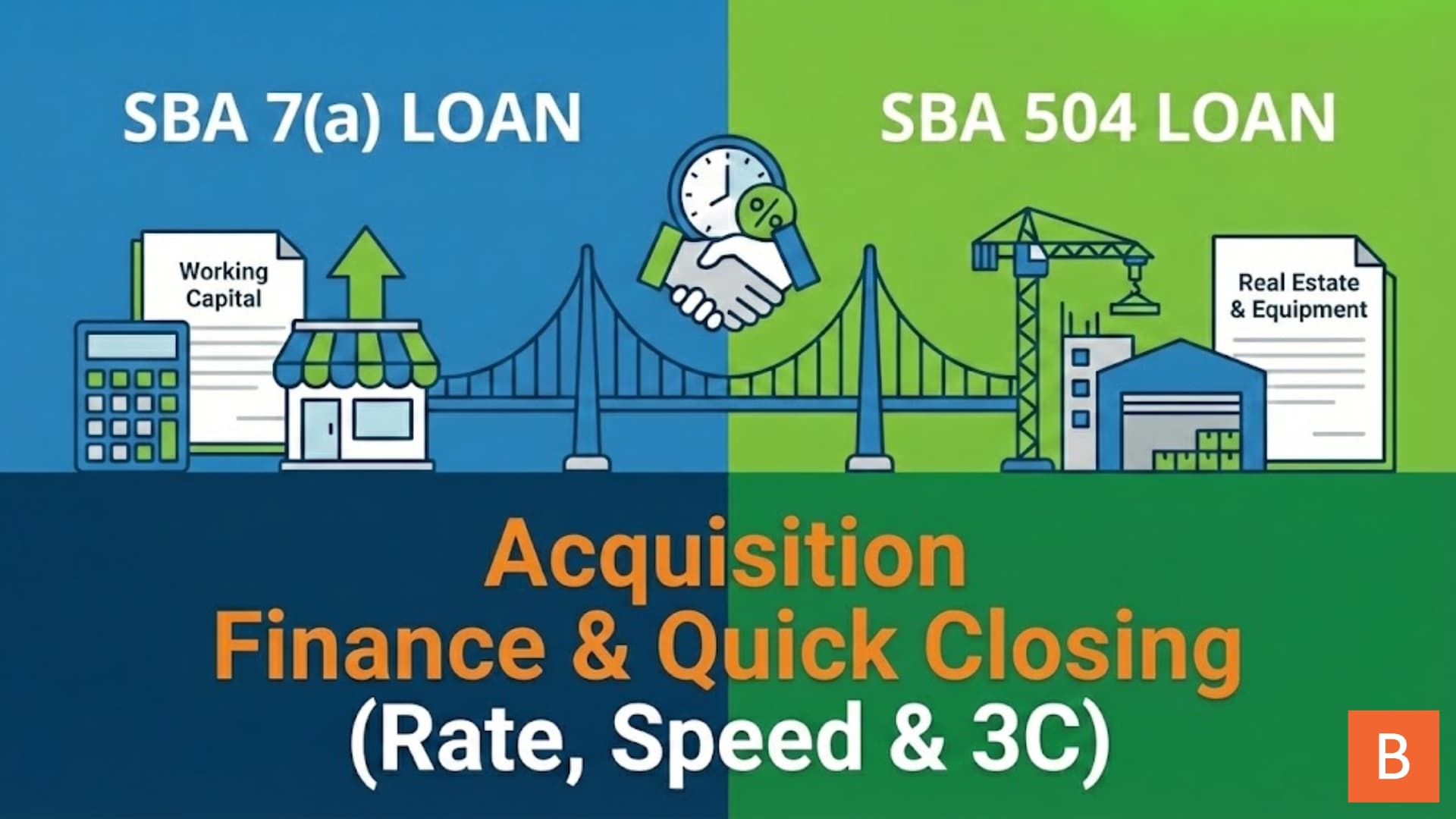
Mastering Acquisition Finance: The BizBen Guide to SBA 7(a) & 504 Loans (Rates, Speed & Success)
.jpg&w=640&q=75)